Seasonal Menu Planning: Reducing Food Costs Year-Round
Seasonal ingredients can be 40-60% cheaper than out-of-season produce. Learn how to build a seasonal menu rotation that cuts food costs while improving dish quality.
Strawberries in January cost $4.99 a pint at most US grocery stores. In June, the same strawberries cost $1.99. That 60% price difference represents a massive opportunity for any operation that plans its menu around what's actually in season.
Seasonal menu planning isn't a philosophical commitment to farm-to-table sourcing. It's a financial strategy that reduces ingredient costs, improves dish quality (in-season produce has better flavor and higher yield), and gives your kitchen a predictable rhythm for planning and procurement.
Why Seasonal Ingredients Are Cheaper
Price follows supply. When tomatoes ripen simultaneously across every farm in the region, the market is flooded and prices drop. When they're shipped in from South America in February, you pay for scarcity, refrigerated transport, and handling time.
The price differential for common produce can be dramatic:
| Ingredient | In-Season Price | Out-of-Season Price | Savings |
|---|---|---|---|
| Strawberries | $1.99–$2.50/pint | $3.99–$5.99/pint | 40–60% |
| Zucchini | $0.79–$1.20/lb | $1.80–$2.40/lb | 45–55% |
| Asparagus | $1.99–$2.50/lb | $3.99–$5.99/lb | 40–60% |
| Butternut squash | $0.49–$0.79/lb | $1.20–$1.80/lb | 50–60% |
| Corn (sweet) | $0.25–$0.40/ear | $0.75–$1.20/ear | 50–70% |
| Peaches | $0.99–$1.50/lb | $2.50–$3.99/lb | 40–60% |
| Brussels sprouts | $1.50–$2.00/lb | $2.80–$3.99/lb | 40–50% |
Beyond produce, seasonal thinking applies to proteins too. Dungeness crab is dramatically cheaper during its December–March season than out of season. Certain fish run stronger price cycles than others depending on spawning and fishing regulations.
The Seasonal Produce Calendar
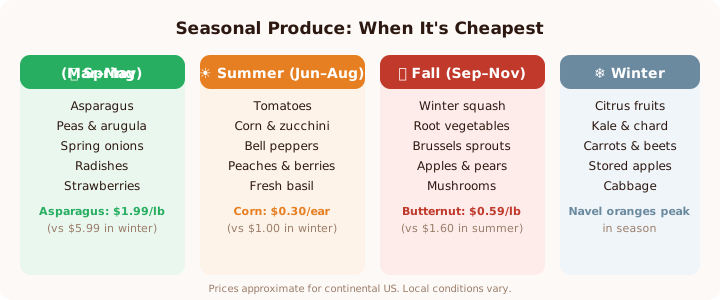
Here's what's in peak season and cheapest by quarter in most of the continental US:
Spring (March–May)
- Asparagus, peas, fiddleheads, spring onions, ramps
- Artichokes, arugula, radishes, watercress
- Strawberries (late spring in most regions)
- Morel mushrooms (foraging season)
Use this season for light dishes: pea and asparagus risotto, spring vegetable tarts, strawberry salads. Asparagus at $1.99/lb vs. $5.99/lb in winter changes the economics of any dish featuring it.
Summer (June–August)
- Tomatoes, corn, zucchini, bell peppers, cucumbers
- Eggplant, green beans, summer squash
- Peaches, berries (blueberry, raspberry, blackberry), plums, cherries
- Fresh herbs in abundance (basil, mint, cilantro)
The most produce-rich season. A summer tomato salad or corn and zucchini fritter with basil costs a fraction of the same dish in February. Run the numbers in our recipe cost calculator, you'll be surprised how dramatically costs shift.
Fall (September–November)
- Winter squash (butternut, acorn, delicata, kabocha)
- Root vegetables (parsnips, turnips, beets, carrots)
- Brussels sprouts, cauliflower, broccoli
- Apples, pears, quince, cranberries
- Mushrooms (chanterelle, hen of the woods)
Fall is the season for hearty, high-margin comfort food. Root vegetable gratins, squash soups, braised short ribs with fall vegetables. Ingredient costs drop while menu prices hold, and food cost percentage improves significantly.
Winter (December–February)
- Citrus (navel oranges, blood oranges, grapefruit, clementines)
- Stored root vegetables (carrots, potatoes, turnips, beets)
- Hearty greens (kale, chard, collards, cabbage)
- Pears, apples (from cold storage)
Winter is the hardest season to source locally. Focus on citrus (at its peak), stored produce, and protein-forward dishes where produce is a supporting player rather than the star. This is also when your food cost percentage is most at risk from expensive out-of-season produce.
Building a Seasonal Menu Rotation
The most practical approach is a quarterly menu rotation: swap 30–40% of your menu every season, keeping your core bestsellers year-round and rotating your seasonal specials.
Step 1: Identify your core vs. seasonal items
Your core items are dishes that sell consistently regardless of season and don't depend on expensive seasonal ingredients. A classic cheeseburger, pasta marinara, and roast chicken might be year-round staples.
Seasonal items feature produce prominently. A tomato and burrata salad is a summer item. A roasted butternut squash soup is fall and winter. A strawberry shortcake is spring and summer.
Step 2: Map ingredients to seasons
For each seasonal item, identify the peak season of its primary ingredient and flag it for the menu in those months only. Use the seasonal calendar above as a reference, and ask your produce supplier when they recommend each ingredient.
Step 3: Cost each seasonal item by season
Run your seasonal recipes through the food cost calculator with peak-season ingredient prices. Note the difference between in-season and out-of-season costs. If an asparagus dish that's $2.80/serving in April would cost $6.40/serving in January, it should only be on your menu in spring.
Step 4: Plan cross-utilization across seasonal ingredients
A seasonal menu rotation is most efficient when one delivery of seasonal produce flows into multiple dishes. If butternut squash is on your fall delivery, it can go into:
- Butternut squash soup (lunch special)
- Risotto with roasted squash and sage
- Squash and goat cheese flatbread
- Roasted squash side dish
Processing 30 lbs of butternut squash at once for three dishes is far more efficient than processing 10 lbs three separate times. The labor cost per portion drops, and you reduce overproduction risk.
Pricing Seasonal Dishes Correctly
Seasonal pricing strategy requires balancing two competing realities:
Good news: In-season ingredients cost less, which means your food cost on seasonal dishes can be lower than your menu average, improving your blended food cost percentage.
Risk: If you keep the same menu price when the ingredient goes out of season (or you accidentally leave a dish on the menu past its season), your food cost can spike to 45–50%.
The solution: Either take seasonal dishes off the menu when their peak season ends, or price them as "market price" (MP), particularly for dishes where one ingredient dominates the cost and price.
For dishes you keep year-round despite seasonal price fluctuations, price using the annual average cost of the ingredient rather than its current low-season cost. This keeps your margin consistent across the year rather than spiking when prices rise.
Communicating Seasonality to Guests
A seasonal menu is a marketing asset, not just a cost tool. Guests increasingly value knowing where their food comes from and why a restaurant serves what it serves.
Tactics that work:
- Menu language: "Roasted local beets with goat cheese" implies freshness and sourcing care without being preachy.
- Chalkboard specials: Features that change weekly or when an ingredient becomes available signal a dynamic, chef-driven kitchen.
- Server talking points: Train servers to mention seasonal highlights. "We just got beautiful early strawberries, our pastry chef is featuring them on three desserts this week." This is the kind of thing that gets ordered and talked about.
Managing the Transition Between Seasons
The changeover weeks between seasons are where food waste risk is highest. You're running down your current seasonal inventory while bringing in the next season's produce.
Plan transitions deliberately:
- Reduce order quantities of outgoing seasonal items 2 weeks before the changeover
- Feature end-of-season specials to move remaining product (a "last of the summer tomatoes" pasta is a great storytelling moment)
- Introduce the new season's ingredients gradually, starting with a special before they become a permanent menu addition
Our food waste guide covers the waste reduction systems that matter most during these transitions.
Putting Seasonal Strategy Into Practice
A restaurant that plans its menu seasonally will consistently outperform one that doesn't on food cost percentage, typically by 2–4 percentage points. On $30,000 per month in food purchases, that's $600–$1,200 in monthly savings.
Beyond cost, seasonal cooking produces better food. Peak-season produce has more flavor, better texture, and higher yield than its off-season equivalent. Your kitchen wins twice.
Start by identifying your 5 most expensive produce items and checking whether any of them are out of season. Run the same dish through our recipe cost calculator with in-season vs. out-of-season prices and see what the difference looks like in real dollars. That single exercise often makes the case for seasonal planning more persuasively than any article can.
Further Reading
- USDA Agricultural Marketing Service, Seasonal Availability Charts (ams.usda.gov)
- National Restaurant Association, Farm to Table Dining Trends (restaurant.org)
- Culinary Institute of America, Seasonal Cooking Curriculum (ciachef.edu)
Ready to cost your recipes?
Use our free calculator to get total cost, food cost %, and suggested menu price in seconds.
Calculate Recipe Cost (Free) →